


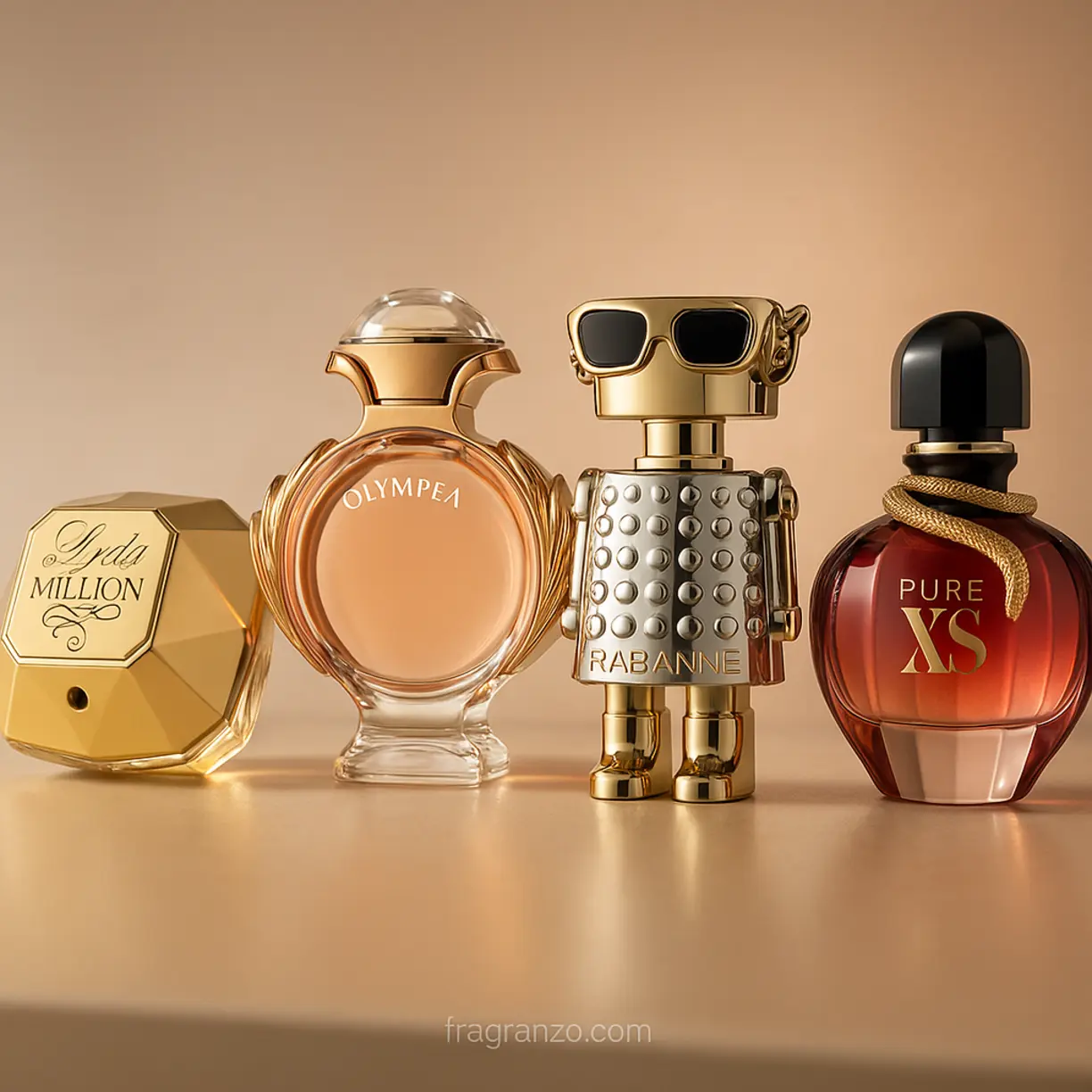
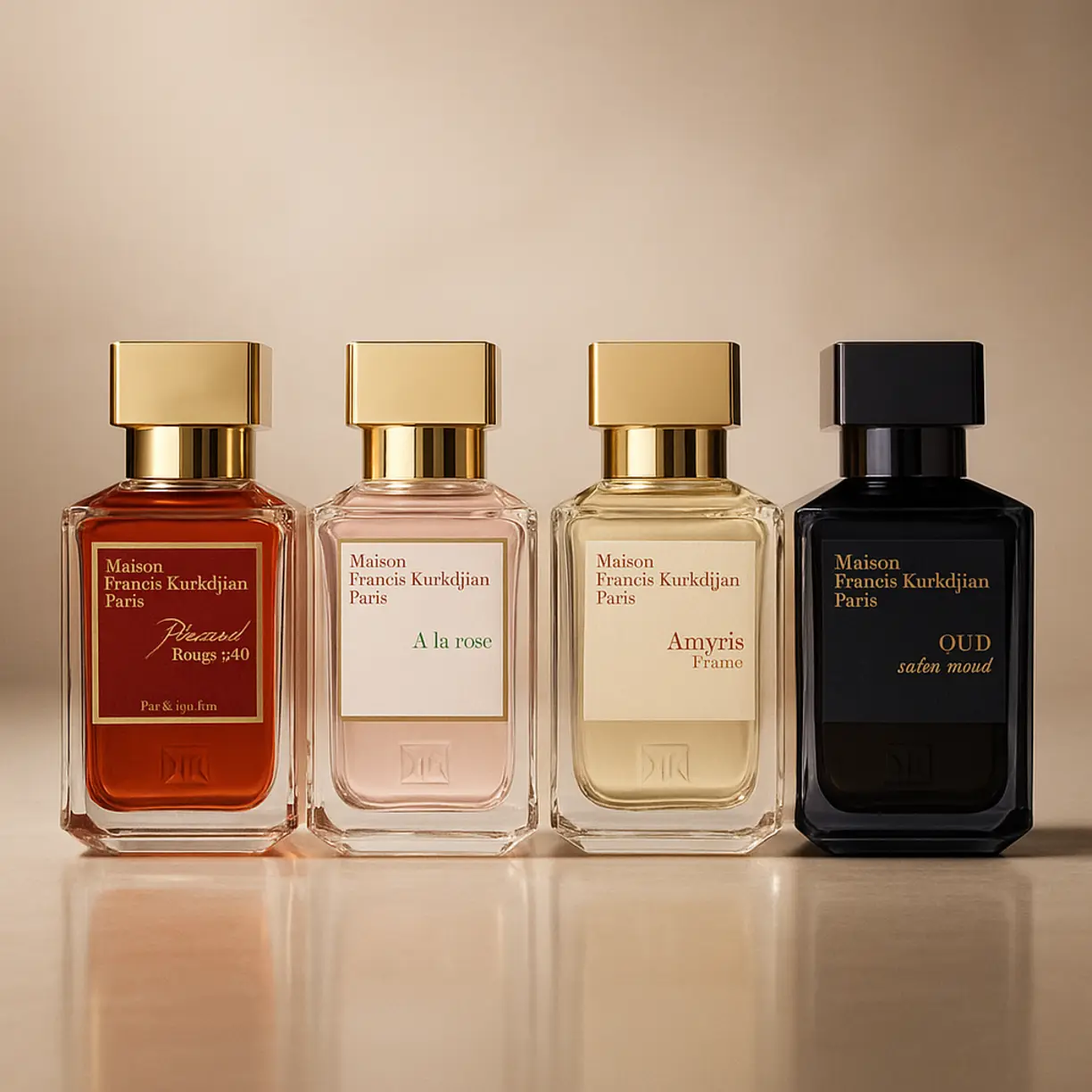
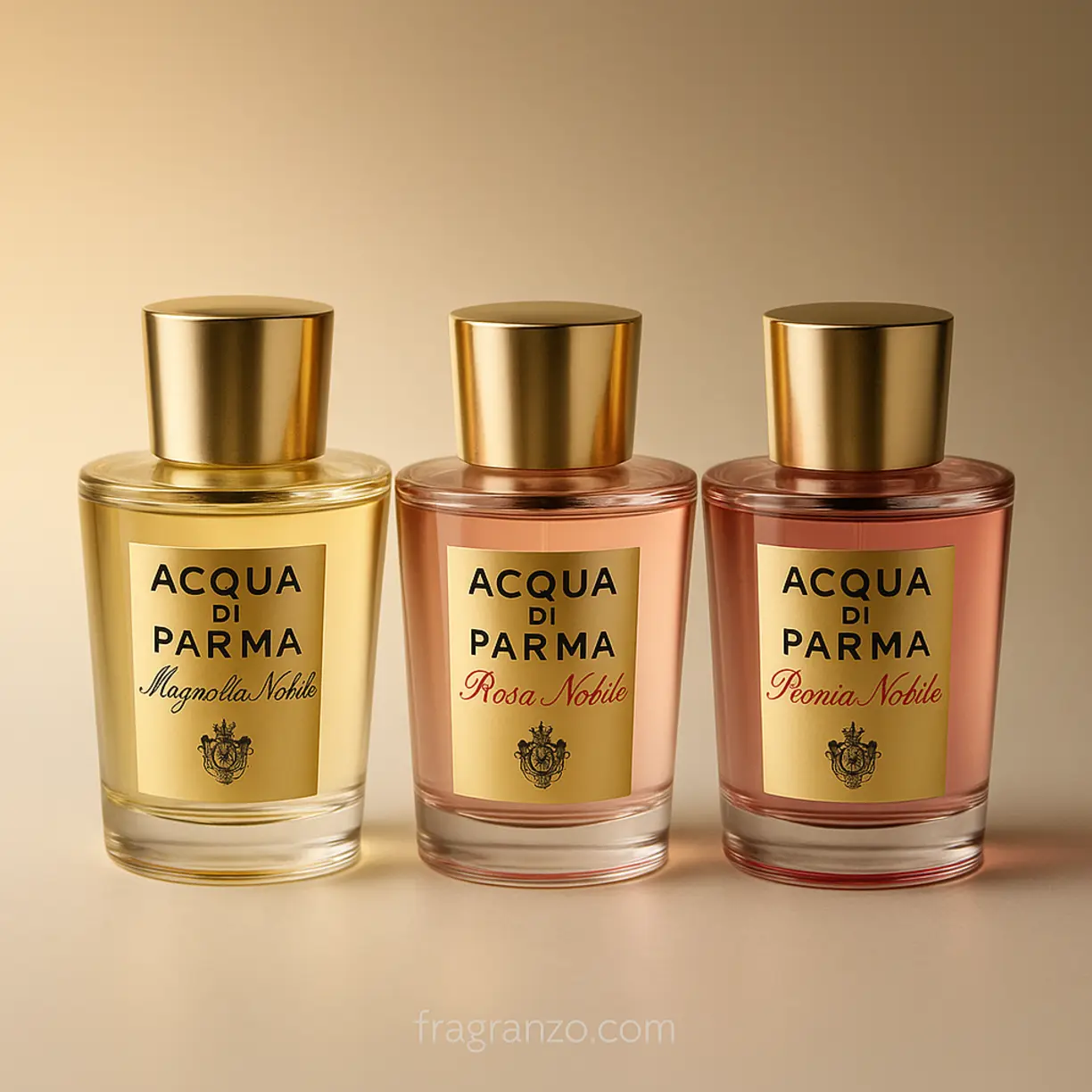
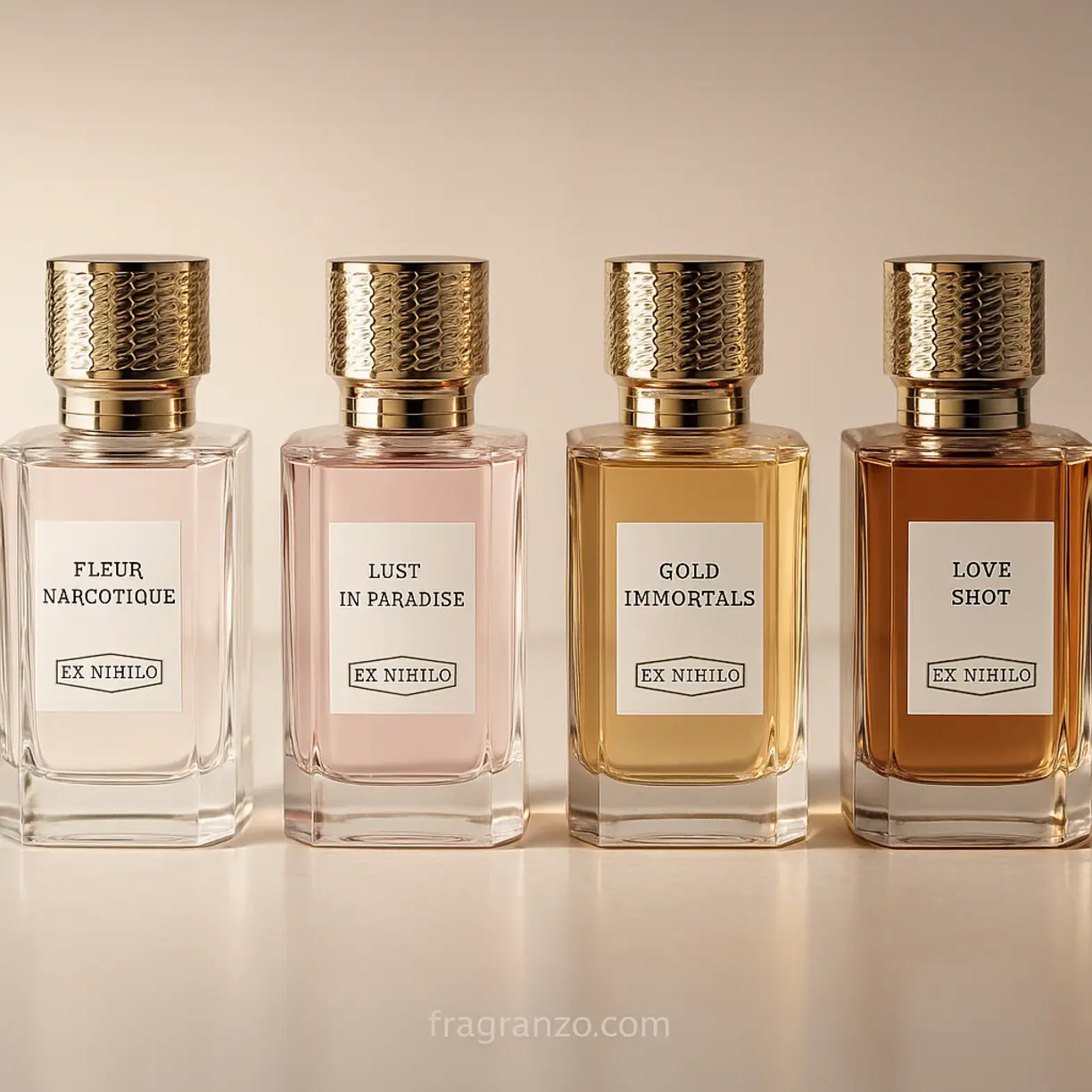
Welcome to your ultimate destination for everything fragrance. Whether you’re a curious newcomer or a seasoned scent connoisseur, our blog celebrates the art, science, and magic behind perfumes. Explore in-depth fragrance reviews, discover new scent launches, and dive into profile breakdowns across fragrance families. From floral and citrus to woody, gourmand, and everything in between — each post is crafted to help you find the perfect scent for your style, mood, or moment.
You can tell if a perfume is original by checking several key details. Look for a batch or lot code on both the box and the bottle—these should match and can often be verified on the brand’s official website. Examine the packaging quality: authentic perfumes have clean printing, correct spelling, and tightly wrapped cellophane. The bottle and cap should feel solid and well-finished, with no loose parts or uneven glass. Pay attention to the scent performance—original perfumes develop in layers (top, middle, base notes) and last longer, while fakes often smell flat or fade quickly. Finally, buy from authorized retailers or trusted sellers, as unusually low prices are often a sign of counterfeit products.
Quality dupes can offer similar scent profiles at a lower price, but performance may vary.
Yes, perfumes do expire, although they usually last a long time if stored properly. Most perfumes have a shelf life of 3 to 5 years, and some can last even longer. Over time, exposure to heat, light, and air can cause the fragrance to break down.
Signs that a perfume has expired include a change in smell (it may smell sour, metallic, or overly sharp), a darker or cloudy color, and weaker performance. To extend a perfume’s lifespan, store it in a cool, dark place, keep the cap tightly closed, and avoid direct sunlight or humidity.